
Know Before You Go
The gym is for training. The cold grit of real rock is the reason. Here's everything you need to know before your first weekend of outdoor bouldering and camping — so you can spend less time planning and more time climbing.
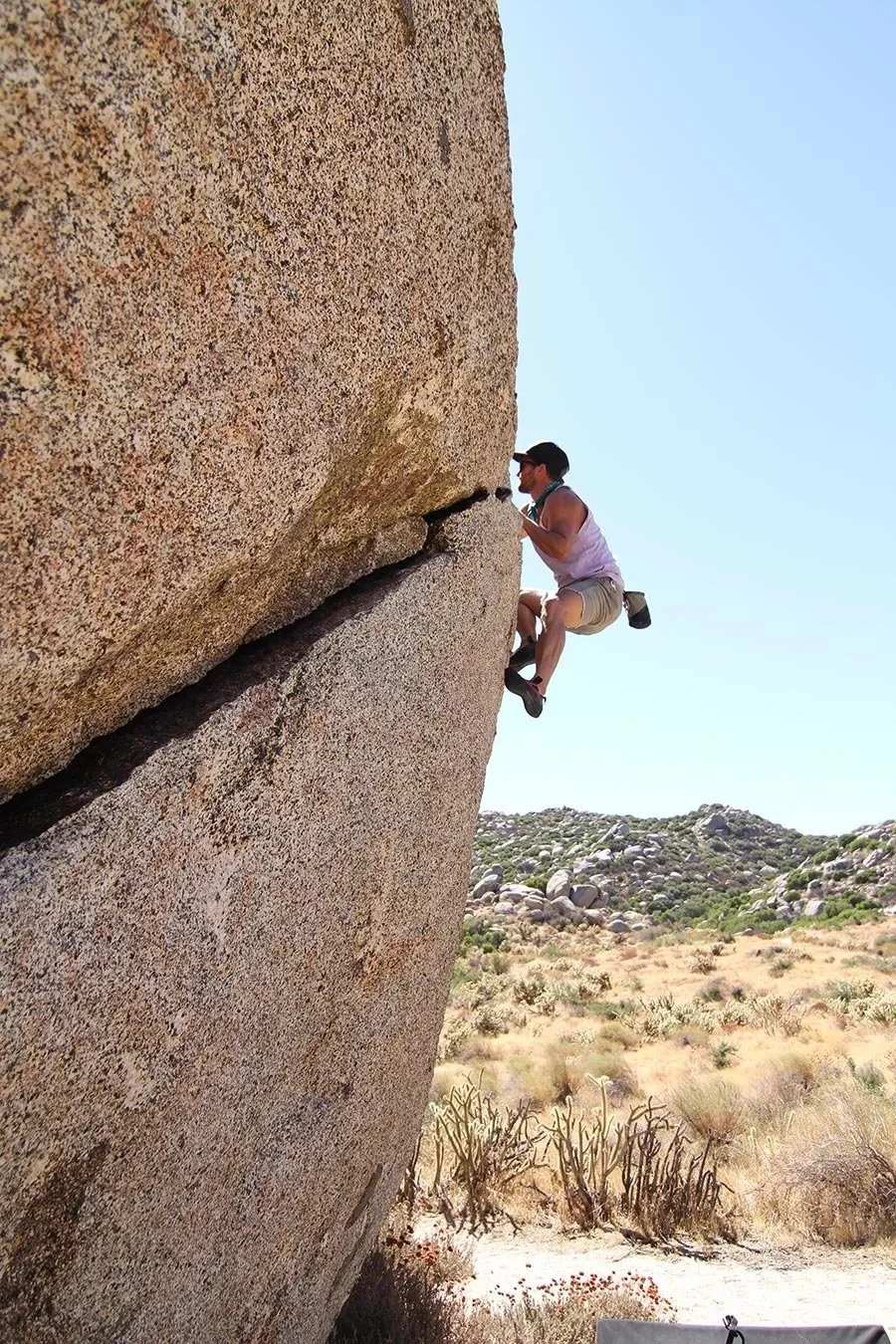
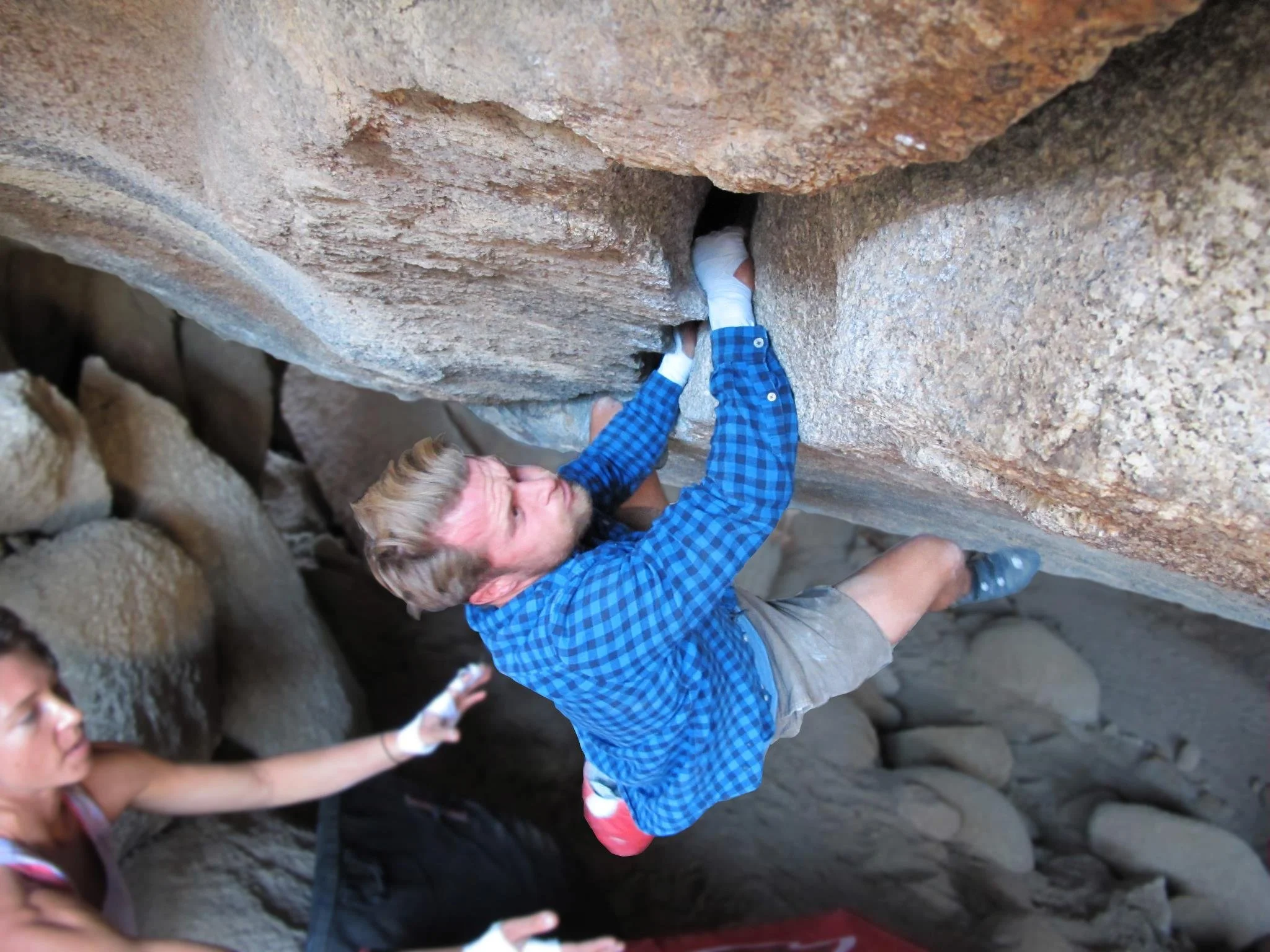
There's a moment every indoor climber reaches eventually: you're on a v4 in the gym, feet smeared on a dual tex volume, and you think — what would this feel like on outside? Outdoor bouldering is a different world: no colored holds telling you where to grab, no thick pads below, no air conditioning. What you get instead is better — the smell of pine and dirt, the birds chirping, the satisfaction of reading a problem that no routesetter designed for you.
But heading outside for the first time, especially overnight, takes a little preparation. The good news? It's not rocket science. Here's what to know before you go.
Find the Right Bouldering Area
Not all bouldering areas are created equal. Some are beginner-friendly with well-documented problems, good landings, and easy access. Others are remote, committing, and best saved for when you've got more outdoor miles under your belt.
For your first trip, look for an area with a range of V0–V4 problems, established camping nearby, and an updated guidebook or strong online community that posts current conditions. Apps like Mountain Projectand KAYAare your best friends here — both offer area guides, community photos, and user comments that can tell you whether a spot is a good fit for you before you make the long drive. However, they are no substitute for a tangible guidebook.
Florida Climber Tip
Tennessee, North Carolina, Alabama, and Georgia are your closest options for quality granite and sandstone bouldering. Rocktown in Georgia, Horse Pens in Alabama, and Stone Fort in Tennessee are classic first-trip destinations within a day's drive from St. Augustine or Jacksonville.
Check with the land manager — whether it's a national forest, state park, or private land co-op — to confirm camping regulations, permit requirements, and any seasonal closures (hunting seasons sometimes close Rocktown).
Gear Up: Climbing & Camping Essentials
The overlap between outdoor bouldering gear and camping gear is small but important. Let's break both down without sending you down a $2,000 rabbit hole on your first trip.
Bouldering-specific gear you'll need outdoors:
Crash Pad (or two): Outdoor landings are rock, roots, and slopes — not flat foam floors. A single full-size pad covers the basics; borrow a second if you can. You’ll quickly find out that more pads are better.
Climbing Shoes: Your gym shoes should work fine, just make sure you like them and they’re in good condition. The last thing you want is to blow out your only pair of shoes on a climbing trip.
Crag Shoes: It’s a great idea to pack in sandals to wear around the boulder field so you don’t have to put shoes and socks back on every time you move to a different boulder.
Chalk & Brush: Bring a stiff-bristled brush for cleaning holds — outdoor rock accumulates lichen, dirt, and moisture. A dedicated boar-hair brush is great for your kit.
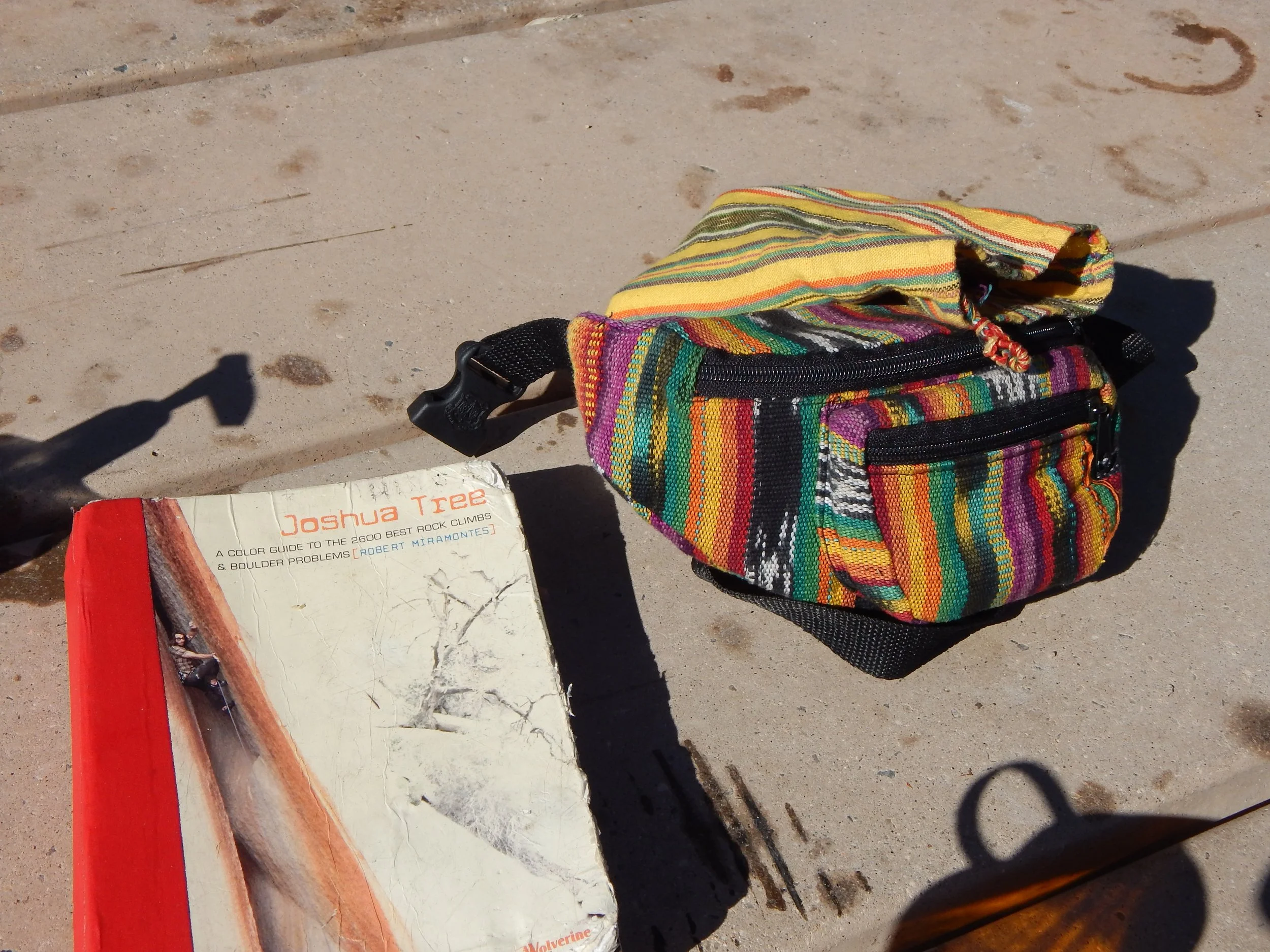
Guidebook or Downloaded Topos: Download your area's topo before you leave town — cell service at the crag is never guaranteed.
Crash pads can be rented at many outdoor gear shops near popular climbing areas. If you're not sure you'll go back, rent before you buy — a quality pad runs $200–$400, and you can purchase at Stone Climbing in Jacksonville and Saint Augustine, or most local climbing gyms.
Camping Gear for Car Camping:
Tent: A solid tent. Nighttime showers are not uncommon in the southeast. While a cheap Wal-Mart tent can do the trick, you may regret not spending the extra $100 if a storm rolls in. A good tent can last you ten years or more.
Sleeping Bag & Pad: Check overnight lows at your destination. Mountain temperatures drop fast after sundown — a 30°F bag is a smart baseline for three-season camping. A sleeping pad is as much for warmth as comfort.
Camp Stove & Fuel: A two-burner propane stove or small flat-top is ideal, but a backpacking stove or even a fire can get the job done.
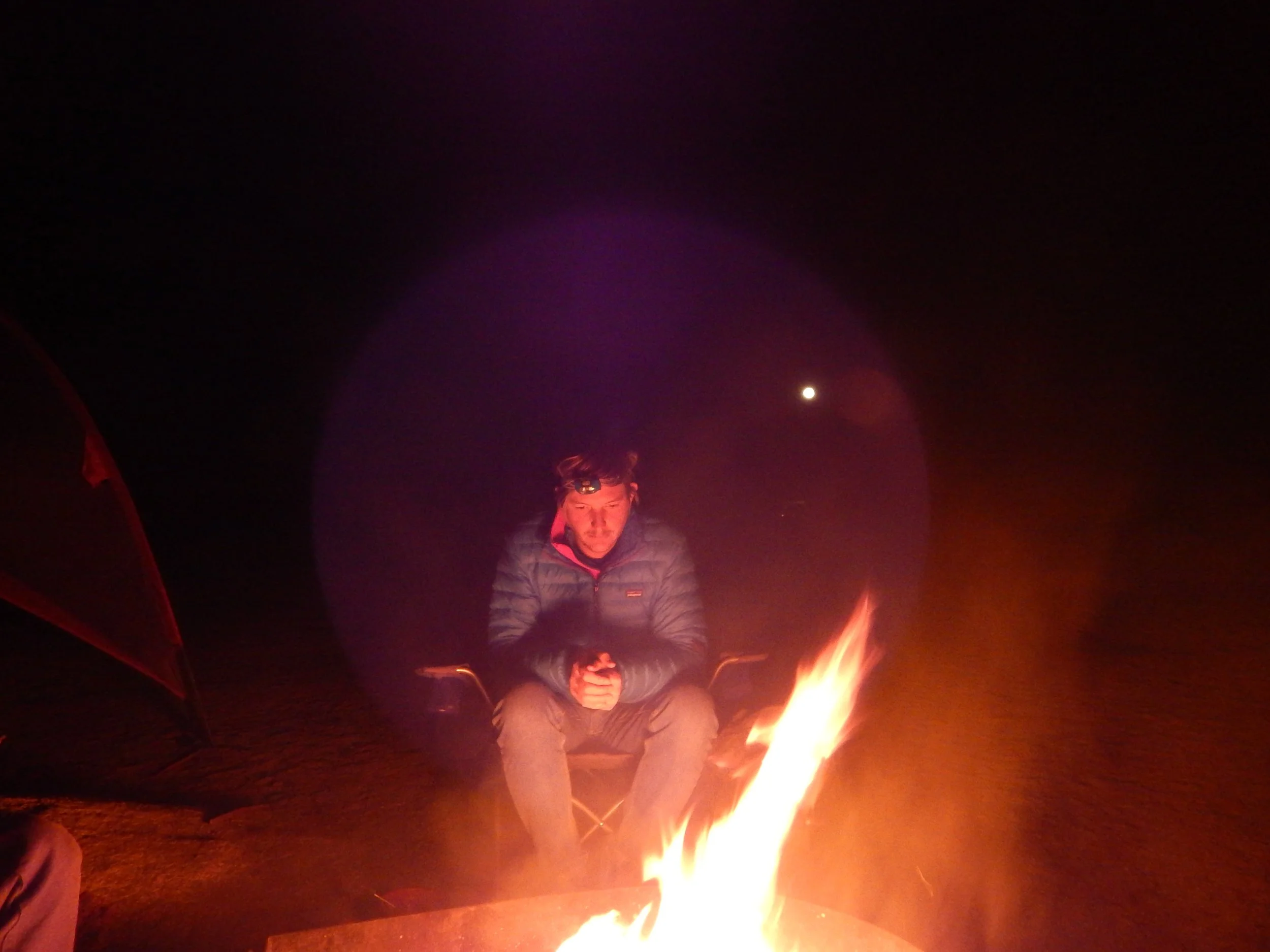
Headlamp: An absolute must — camp setup after dark, night bouldering, early bathroom trips.
Water: Some camp spots have water sources; others, like Rocktown, you need to bring all your water.
First Aid Kit: Finger tape, ibuprofen, blister pads, antiseptic wipes. Pack for the fingers specifically — real rock is harder on skin than plastic.
Etiquette: Tick Marks - If you use them, brush them. Pack it out! - Leave the crag better than you found it. Pack out all trash, and especially toilet paper.
Courtesy: If other climbers come up to a problem you are climbing, offer for them to join in the fun!